- 4×4 Land Cruiser
- About us
- California
- Carrer
- Cart
- Checkout
- Community Initiatives
- Contact Us
- ETHIOPIA
- FAQ’s
- KENYA
- Kenya Safari
- Landing
- MAURITIUS
- My account
- My Account
- NAMIBIA
- RWANDA
- Sample Page
- SEYCHELLES
- Shop
- Untamed Wilderness Safari
- VICTORIA FALLS
- Visiting maasai village in the maasai mara with carlifonia tours and travel


4X4 JEEP LAND CRUISER
The 4×4 Jeep Land Cruiser, often referred to simply as the “Land Cruiser” in safari contexts, is an iconic vehicle synonymous with adventure tourism in Kenya.While “Jeep” is a brand name, it’s commonly used generically in East Africa to describe rugged off-road vehicles.


In reality, the vehicle in question is typically the Toyota Land Cruiser, a powerhouse 4×4 that’s been adapted specifically for safari use. Renowned for its durability, reliability, and ability to navigate Kenya’s diverse and challenging terrains, the Land Cruiser has become the gold standard for wildlife safaris in national parks like the Maasai Mara, Amboseli, and Tsavo. This detailed content explores its features, modifications, popularity, usage, and more, drawing from its widespread adoption in Kenya’s safari industry.
Key Features of the 4x4 Land Cruiser
The standard 4 x 4 Toyota Land Cruiser is a full-size safari vehicle with a powerful engine, but for Kenyan safaris, it’s heavily modified to enhance the wildlife viewing experience. Here’s a breakdown of its core features:
Engine and Drivetrain:
- Typically equipped with diesel engine or similar variants, delivering ample torque for off-road performance.
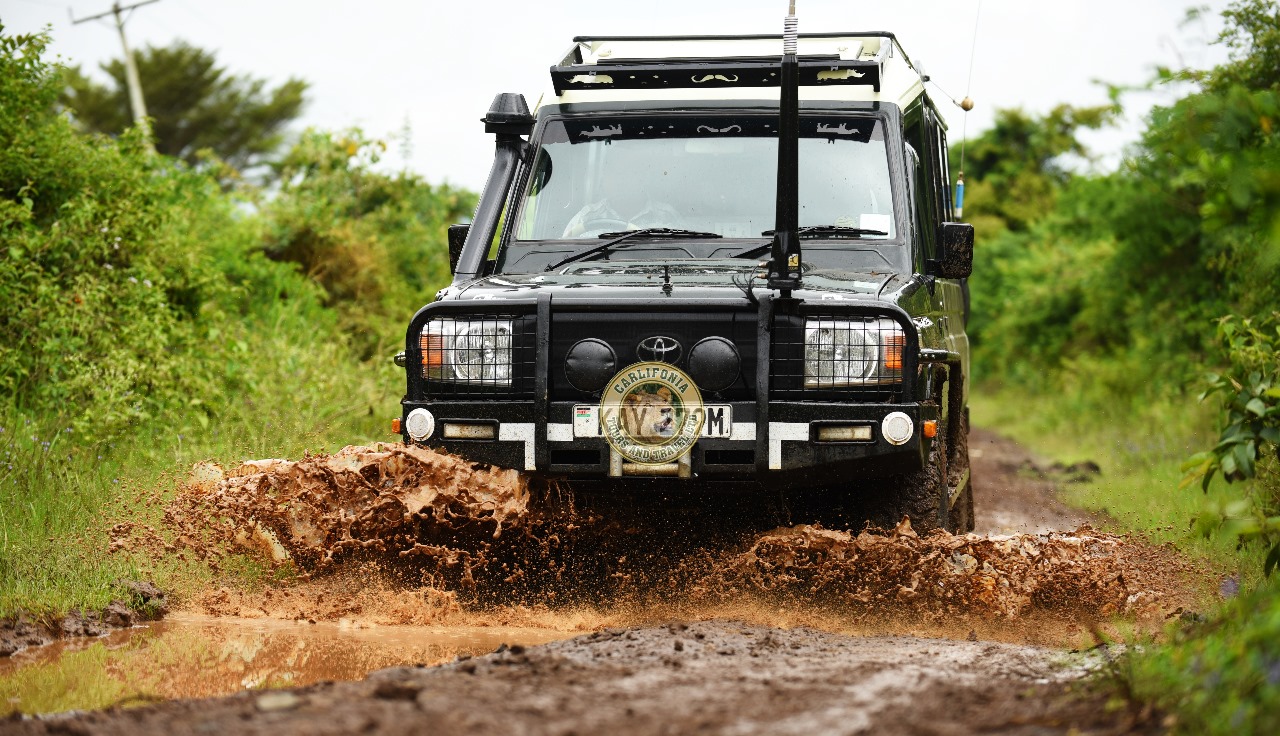
- True 4×4 system with high/low-range gearing, differential locks, and advanced traction control to handle sand, mud, rocks, and steep inclines.
- Fuel efficiency is reasonable for its class on highways, though safari use often involves shorter, more demanding drives.
Chassis and Build:
- Short-wheelbase models are preferred for their maneuverability in tight bush trails.
- Reinforced suspension and underbody protection to withstand potholes, wildlife encounters, and long-distance travel.
Capacity and Comfort:
- Seats 6 to 8 passengers comfortably, with modifications for optimal viewing. Each seat often has direct window access.
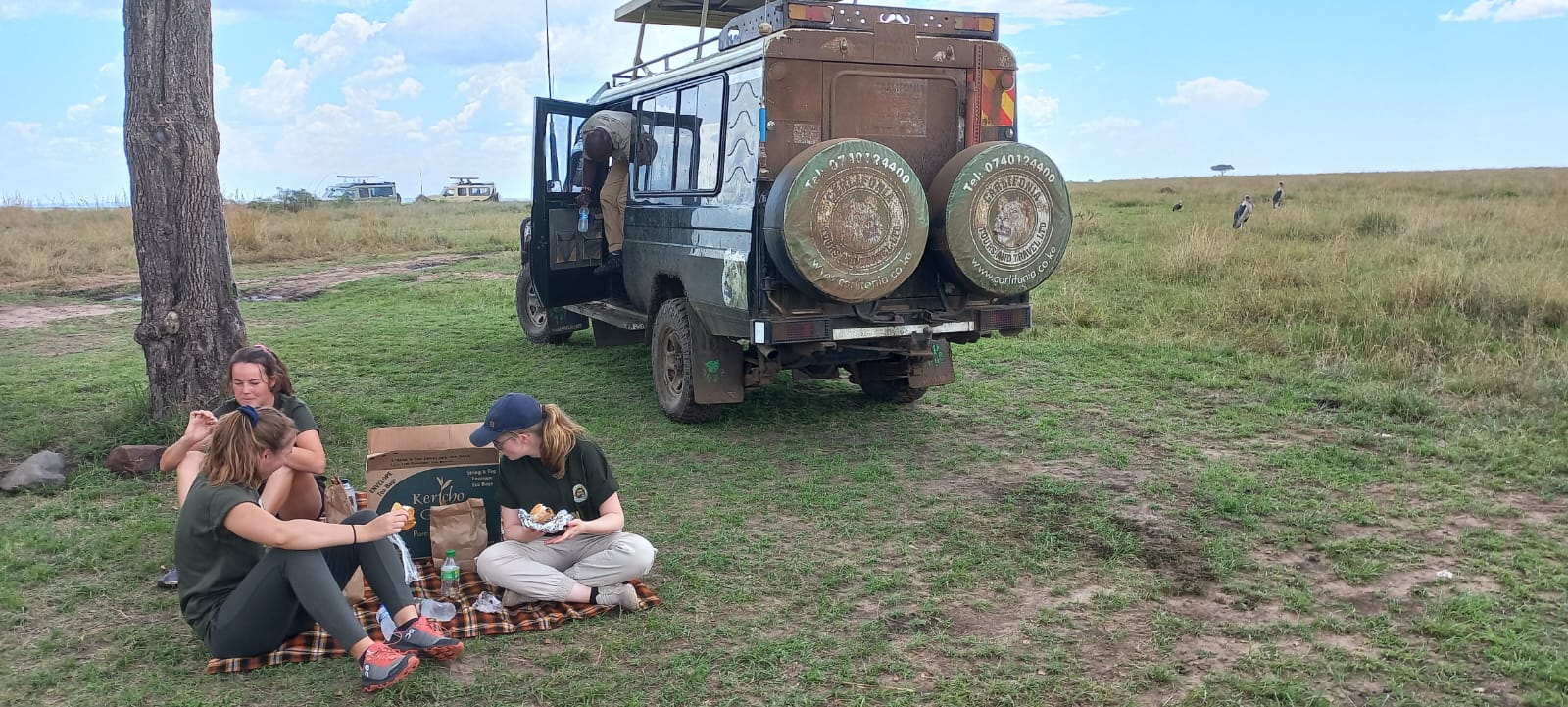
- Ample storage for luggage, camera gear, and picnic supplies—essential for full-day game drives.
Safari-Specific Modifications
What sets the Kenyan safari Land Cruiser apart from a stock model are the custom adaptations tailored for wildlife observation.
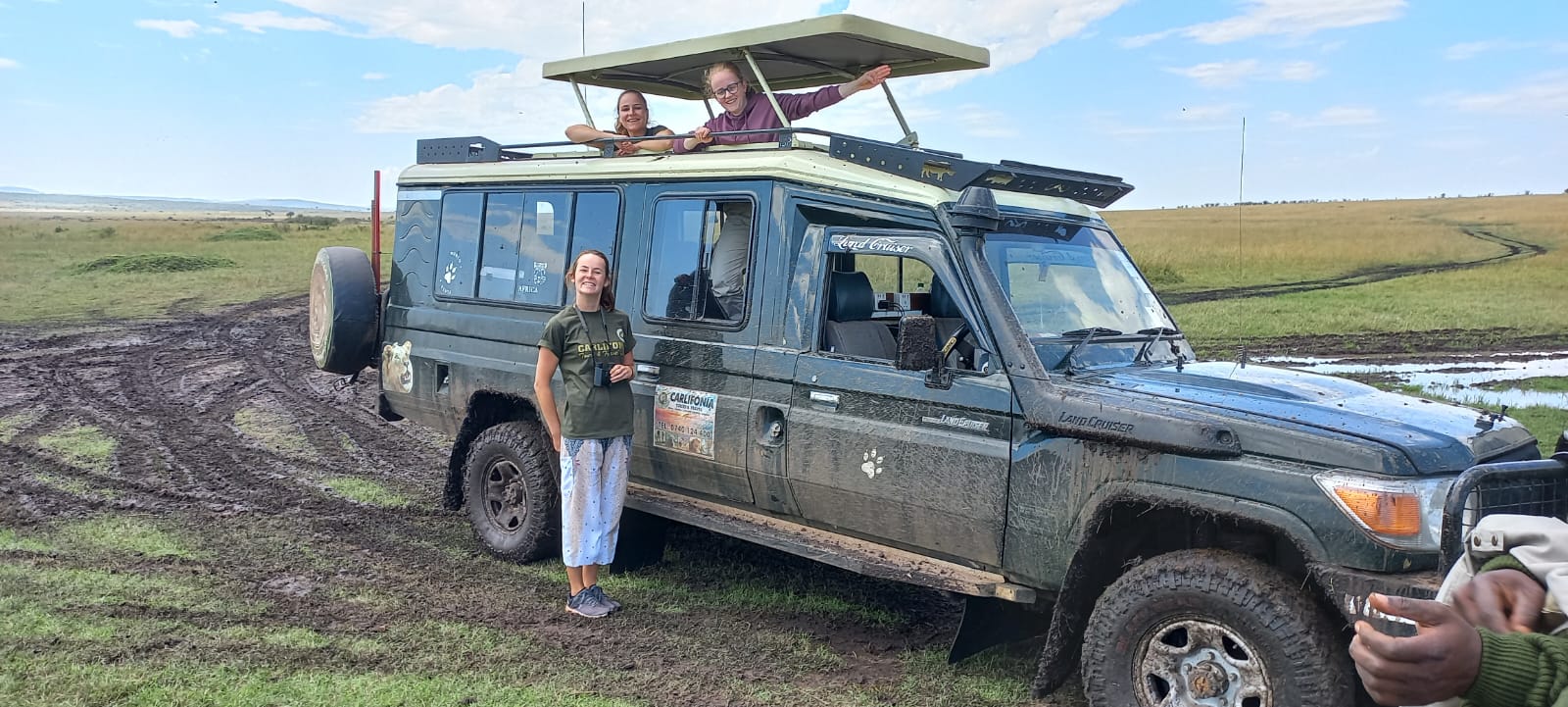
Pop-Up Roof: A signature feature allowing passengers to stand and view animals from an elevated position. The roof pops open for 360-degree panoramas, perfect for spotting lions, elephants, or the Great Migration in the Maasai Mara. This is especially popular in Kenya’s national parks where close encounters are common.
What sets the Kenyan safari Land Cruiser apart from a stock model are the custom adaptations tailored for wildlife observation.
Pop-Up Roof: A signature feature allowing passengers to stand and view animals from an elevated position. The roof pops open for 360-degree panoramas, perfect for spotting lions, elephants, or the Great Migration in the Maasai Mara. This is especially popular in Kenya’s national parks where close encounters are common.
- Open Sides and Viewing Windows: Many models have open sides or large sliding windows for unobstructed views and photography. Some include fold-down windshields or removable doors for a “face-to-face” feel with nature, while maintaining safety from wildlife.
- Seating Arrangements: Seats are reconfigured in a tiered or U-shaped layout to ensure everyone has a good view. Luxury versions add plush leather seats, coolers for drinks, and charging ports for devices.
- Additional Customizations:
- Reinforced bumpers and winches for recovery in stuck situations.
- Roof racks for extra gear or spotting scopes.
- Communication radios for coordinating with rangers or other vehicles.
These modifications transform the vehicle from a standard 4×4 into a mobile observation platform, blending comfort with adventure.
Usage in Kenyan Safaris
In Kenya, the Land Cruiser is the vehicle of choice for various safari types:
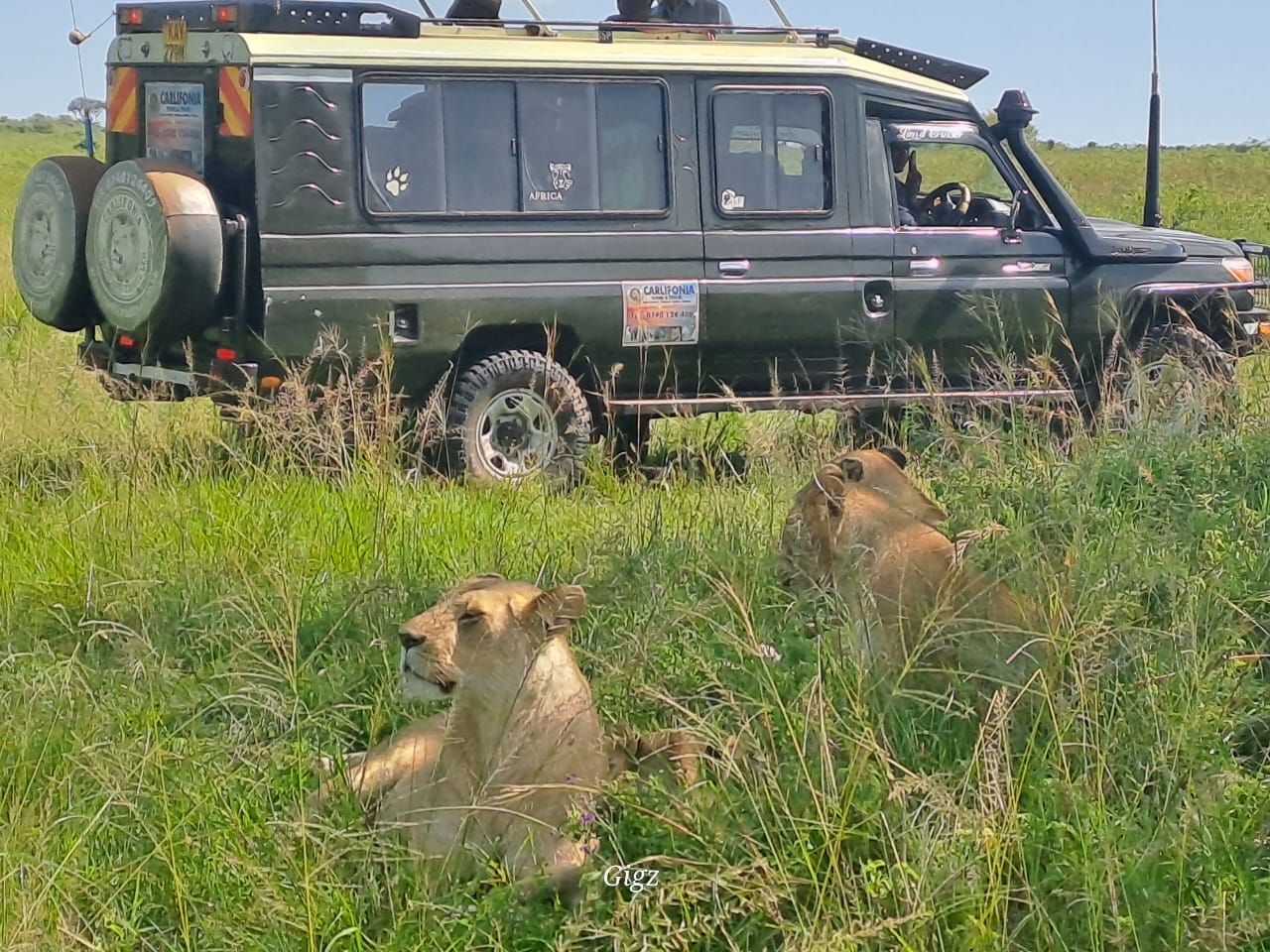
- Game Drives: The primary use, where drivers (often experienced guides) navigate parks to track the “Big Five” (lion, elephant, buffalo, leopard, rhino). Its off-road prowess allows access to less-visited areas.
- Terrain Adaptability: Excels in diverse landscapes—from the savannas of the Maasai Mara to the volcanic soils of Amboseli and the coastal dunes near Tsavo. During the rainy season (March-May and October-November), its 4×4 system prevents getting bogged down.
- Group Sizes: Ideal for small groups or families. For larger parties, operators might use multiple Land Cruisers or switch to overland trucks.
- Safety and Regulations: Kenyan safari vehicles must meet standards set by the Kenya Wildlife Service (KWS). Land Cruisers are equipped with first-aid kits, fire extinguishers, and GPS for emergencies. Drivers are trained in wildlife behavior to Pros and Cons
Pros:
- Durability and Reliability: Rarely breaks down in the bush.
- Comfort and Views: Enhances the safari experience with features like pop-up roofs.
- Versatility: Handles everything from luxury lodges to budget camping.
- Cultural Icon: Riding in one feels like a true Kenyan adventure.
Tips for Choosing and Using a Land Cruiser Safari in Kenya
- Booking: Opt for reputable operators like Carlifonia Tours and Travel in Kisumu and Nairobi. Check for custom features like pop-up roofs.
- Best Time: Dry seasons (June-October and December-February) for easier driving.
- Sustainability: Choose eco-friendly tours that use low-emission vehicles or offset carbon.
- Alternatives: If budget is tight, consider shared vans; for luxury, go for fully customized 4 x 4 Land Cruiser jeep.
Explore the world for yourself
In summary, the 4×4 Jeep Land Cruiser is more than just a vehicle—it’s an essential part of the Kenyan safari narrative, combining rugged functionality with the thrill of discovery. Whether you’re chasing sunsets over the savanna with Carlifonia Tours and Travel or tracking elusive leopards, this beast ensures a safe, comfortable, and unforgettable journey. If you’d like images, comparisons, or booking advice, let us know!