- 4×4 Land Cruiser
- About us
- California
- Carrer
- Cart
- Checkout
- Community Initiatives
- Contact Us
- ETHIOPIA
- FAQ’s
- KENYA
- Kenya Safari
- Landing
- MAURITIUS
- My account
- My Account
- NAMIBIA
- RWANDA
- Sample Page
- SEYCHELLES
- Shop
- Untamed Wilderness Safari
- VICTORIA FALLS
- Visiting maasai village in the maasai mara with carlifonia tours and travel


Visiting maasai village in the maasai mara with carlifonia tours and travel
A visit to a Maasai village in the Maasai Mara is one of the most authentic cultural experiences available in Kenya’s renowned safari landscape. The Maasai people, a semi-nomadic ethnic group known for their distinctive red attire, warrior traditions, and deep connection to the land, have inhabited the Mara region for centuries. These village visits, often integrated into safari itineraries, offer tourists a glimpse into their traditional lifestyle, customs, and community life.
However, it’s essential to approach such experiences with respect, as they blend education, cultural exchange, and responsible tourism. This guide provides a comprehensive overview, including what to expect, cultural significance, practical tips, and ethical considerations.
What to Expect During a Maasai Village Visit
A typical Maasai village visit lasts 1-2 hours and is often arranged through safari lodges or tour operators in the Maasai Mara. Here’s a step-by-step breakdown of what you might encounter:
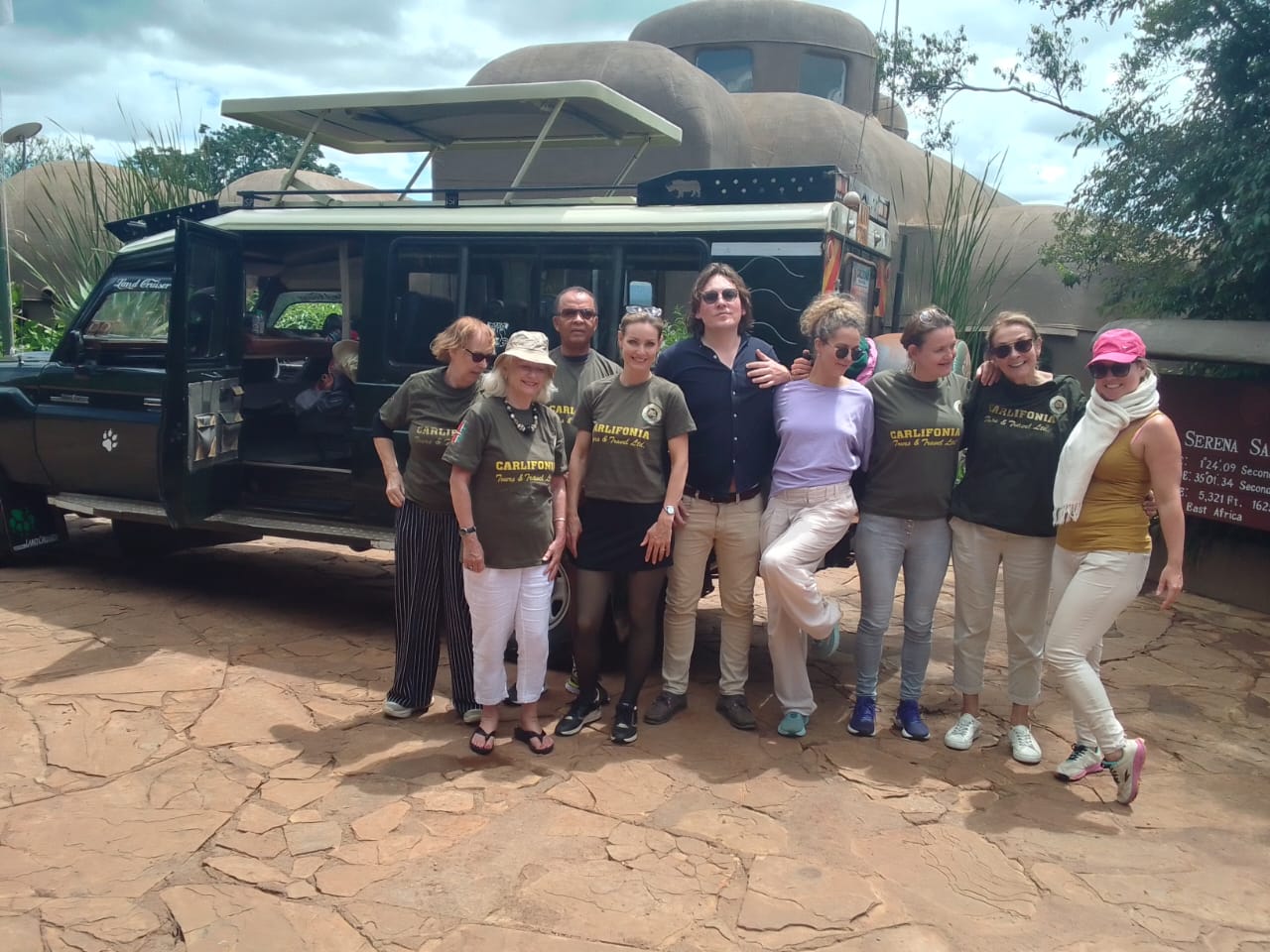
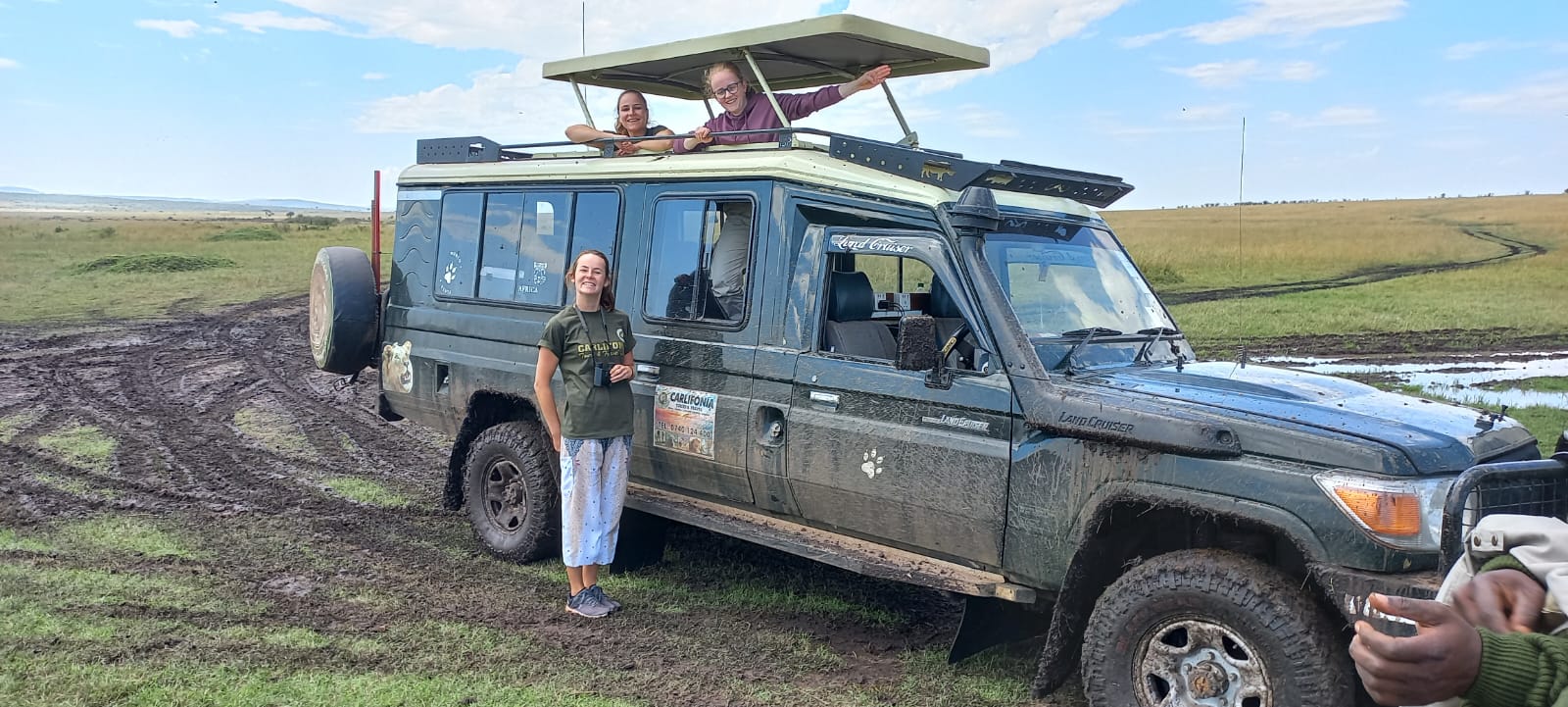
- Arrival and Welcome: Upon arrival (usually by 4×4 vehicle like a Land Cruiser), you’ll be greeted by Maasai warriors (morans) in traditional shukas (red or blue plaid cloths), beaded jewelry, and sometimes carrying spears or clubs. A welcoming song and dance, featuring high jumps (a signature Maasai move symbolizing strength), sets a vibrant tone.
Huts and Daily Life
Explore the enkang, where families live in small, thatched huts. Women often demonstrate hut-building techniques using local materials. You’ll learn about gender roles: men herd cattle (a symbol of wealth and status), while women handle milking, cooking, and beadwork.
Livestock Enclosure
- At the center is the boma, a thorny fence protecting goats, sheep, and cows from predators like lions. Cattle are central to Maasai culture, used for milk, blood (mixed with milk for nutrition), and as currency in marriages.
Cultural Demonstrations
- Watch fire-making using friction (no matches!), traditional medicine from local plants, or beadwork crafting. Elders might share stories of rites of passage, like the eunoto ceremony where boys become warriors.
Interactive Experiences:
- Dancing and Singing: Join in jumping dance or learn basic Maa language phrases.
- Market and Crafts: Browse handmade jewelry, carvings, and textiles. Bargaining is common, but purchases directly support the community.
- School or Community Projects: Some visits include stops at local schools, where you can see how tourism funds education for Maasai children.
The experience is immersive but varies by village—some are more tourist-oriented near the Mara’s gates, while others in remote areas feel more authentic.

Best Practices and Etiquette
To ensure a respectful and positive visit:
- Dress Appropriately: Wear modest clothing; avoid revealing outfits out of respect for Maasai customs.
- Photography Rules: Always ask permission before taking photos. Some villages charge extra for photography
- Cultural Sensitivity: Listen actively, avoid judgment, and engage genuinely. Remember, this is their home—not a performance.
- Tipping and Fees: Pay the agreed fee upfront. Tipping guides (USD 5-10) is appreciated but not mandatory.
- Health and Safety: Villages are rural, so use insect repellent, stay hydrated, and follow your guide’s advice on wildlife (e.g., no wandering alone).
Visits are best in the morning or late afternoon to avoid midday heat. The dry seasons (June-October and December-March) offer better road access, aligning with peak wildlife viewing.
Pros of Maasai Village Visits
Pros:
- Cultural Immersion: Gain insights into a living tradition that’s adapted to modern challenges like climate change and land rights.
- Economic Empowerment: Fees help preserve Maasai heritage and fund community needs, reducing reliance on livestock alone.
- Educational Value: Learn about sustainable living, conservation (Maasai often protect wildlife on their lands), and Kenyan diversity.
- Memorable Add-On: Complements game drives, adding a human element to the safari.
Tips for Planning Your Visit
- Choosing an Operator: Book through reputable companies like Carlifonia Tours and Travel affiliated with the Kenya Association of Tour Operators (KATO). Look for eco-certified tours that emphasize fair trade.
- Integration with Safari: Combine with a Maasai Mara game drive. Lodges like Mara Serena or Governors’ Camp often include village visits in packages.
- Sustainable Alternatives: Opt for homestays or community-led tours for deeper immersion. Support initiatives like the Maasai Wilderness Conservation Trust.
- Preparation: Read books like “The Worlds of a Maasai Warrior” by Tepilit Ole Saitoti for background. Learn basic greetings like “Soba” (hello in Maa).
Maasai village visit in the Maasai Mara is a profound way to connect with Kenya’s indigenous heritage, blending adventure, education, and cultural respect. It reminds us of the human stories behind the stunning wildlife spectacles. If you’d like recommendations for specific villages, itineraries, or even generated images of Maasai culture